
The evolution of gambling tracing its historical roots
The Origins of Gambling
The history of gambling dates back thousands of years, with evidence suggesting that it was practiced in ancient civilizations such as Mesopotamia, China, and Egypt. Archaeological findings have revealed dice made from animal bones, indicating that games of chance were part of early human culture. The act of betting and wagering was likely intertwined with rituals and social gatherings, highlighting the deep-rooted nature of gambling in society. Modern platforms today, such as non gamstop casinos 2026, reflect this ongoing fascination with risk-taking.

As civilizations advanced, so did the complexity of gambling activities. The Chinese developed games involving tiles, while the Greeks and Romans introduced betting on athletic events. These early forms of gambling laid the groundwork for the diverse array of games we see today, demonstrating a natural human inclination towards risk-taking and competition.
The Rise of Organized Gambling
With the establishment of more structured societies, gambling evolved into a more organized activity. The Middle Ages saw the emergence of gaming houses, where people could gather to play various games. These establishments were often seen as centers of social interaction, blending entertainment with the chance to win money. However, they also faced significant scrutiny and regulation from authorities concerned about morality and public order.
The Renaissance period brought about an increase in the popularity of card games and gambling on events such as horse racing. This era marked the beginning of modern gambling as we know it, with specific rules and formats becoming standardized. The establishment of the first official lotteries in the 16th century also signified a shift towards regulated gambling, offering citizens a chance to win prizes while funding public projects.
The Birth of Casinos
The late 17th and early 18th centuries marked the birth of the modern casino. The first official casino, known as the Ridotto, was established in Venice in 1638, allowing patrons to enjoy various gambling games in a regulated environment. This innovation not only popularized gambling but also contributed to the growth of luxury and entertainment in European society.
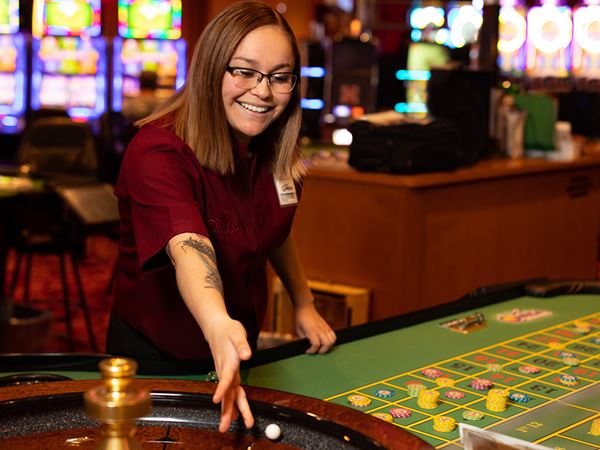
As casinos spread across Europe, they adopted opulent designs and became synonymous with high society. The introduction of games like roulette and baccarat became staples of these establishments, attracting a wealthy clientele eager for both excitement and social status. The casino experience transformed gambling from a mere pastime into a lavish affair, influencing the way it is perceived worldwide.
The Global Expansion of Gambling
The 19th century saw gambling expand globally, with establishments popping up in the United States, Asia, and beyond. The advent of legal frameworks allowed for the regulation of gambling operations, leading to the rise of iconic destinations such as Las Vegas and Monte Carlo. These cities became synonymous with luxury and high-stakes gambling, drawing millions of tourists each year.
Technological advancements in the 20th century further revolutionized the gambling landscape. The introduction of slot machines, online gaming, and mobile apps has made gambling more accessible than ever before. As a result, millions can now participate in various forms of gambling from the comfort of their homes, leading to a new era of convenience and innovation in the industry.
Exploring TechCityUK.com
TechCityUK.com is dedicated to fostering a community of professionals and enthusiasts eager to learn about the intersection of technology and various industries, including gambling. As the industry evolves, staying informed about technological advancements and trends is crucial for both operators and players alike.
By providing valuable insights and resources, TechCityUK.com aims to help users navigate the rapidly changing landscape of technology and innovation. Engaging discussions and informative articles serve to empower individuals, enabling them to enhance their expertise and adapt to the future of gambling and beyond.