
The psychology behind risk understanding player behavior in casinos
Understanding Risk Perception
Risk perception plays a crucial role in how players engage with casinos. Players often have varying levels of understanding when it comes to the odds and potential outcomes of their choices. This discrepancy can significantly influence their behavior and decision-making processes. For instance, a player might underestimate the risks associated with certain games or overestimate their chances of winning, leading to potentially reckless betting behavior. In particular, understanding phrases like fun88 ทางเข้า can assist players in making more informed choices.
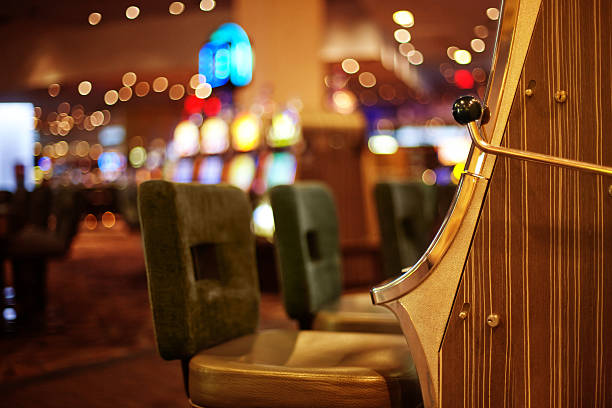
Moreover, psychological factors such as optimism bias can further skew players’ risk perceptions. Many individuals believe they are less likely to experience negative outcomes compared to others, which can lead to an overconfidence in their gambling strategies. This bias not only affects how they gamble but also influences their overall experience in the casino environment.
The Role of Emotional Triggers
Emotions play a pivotal role in the gambling experience, driving players to take risks that they might otherwise avoid. Excitement, fear, and even nostalgia can heavily influence how individuals behave in casinos. For example, the thrill of a potential win can lead players to engage in riskier bets, while the fear of losing can cause them to withdraw or alter their betting strategies.
Casinos are designed to exploit these emotional triggers, creating an environment that heightens feelings of excitement and urgency. The sounds of slot machines, vibrant colors, and even the scent of the air can evoke emotional responses that encourage players to take risks. Understanding these emotional elements can help casinos create experiences that drive player engagement.
Myths and Misconceptions About Gambling
Many players enter casinos with preconceived notions about gambling that can significantly affect their behavior. Common myths, such as the belief that previous outcomes affect future results, can lead players to develop faulty strategies. For instance, some might think that a losing streak means a win is due, prompting them to gamble more heavily in hopes of recouping their losses.
These misconceptions can have profound effects on betting behavior, leading players to make decisions based on incorrect assumptions. Education and awareness about these myths can help players make more informed choices, ultimately affecting their success and enjoyment in the casino setting.
Behavioral Economics and Gambling
Behavioral economics provides insights into how psychological factors influence economic decision-making, particularly in gambling contexts. Concepts like loss aversion suggest that the fear of losing money is often more powerful than the excitement of winning. This understanding can help explain why players may chase losses, betting more aggressively after experiencing a setback.
Additionally, the concept of utility can be applied to gambling, where players assess their satisfaction based not just on monetary gains but also on the thrill of the experience. This dual perspective highlights why players continue to engage with casinos even when they face losses, as the overall enjoyment of the experience can outweigh the financial consequences.

Exploring the Psychology Behind Casino Behavior
The exploration of psychological factors behind player behavior in casinos offers valuable insights for both players and casino operators. Understanding these elements can enhance the gaming experience by tailoring environments that align with player emotions and motivations. Moreover, increased awareness of risk perceptions, emotional triggers, and myths can empower players to make better-informed decisions.
As the gaming industry continues to evolve, integrating psychological insights into casino design and marketing strategies can lead to improved player satisfaction and engagement. By acknowledging the complex relationship between psychology and gambling, both players and operators can navigate the casino landscape more effectively, fostering a more responsible and enjoyable gambling environment.